Grab Bars: A Complete Guide to Bathroom Safety Rails and Support Handles
Bathroom safety is one of those subjects that tends to be addressed reactively rather than proactively — after a near-miss, following a fall, or when a family member's mobility changes. But the grab bar, one of the simplest and most effective bathroom safety products available, is increasingly being installed as a matter of course in new and refurbished bathrooms, regardless of the age or mobility of the occupants. This guide covers everything you need to know about grab bars: what they are, how they work, how to choose the right one, and how to install and maintain them correctly.
What Is a Grab Bar?
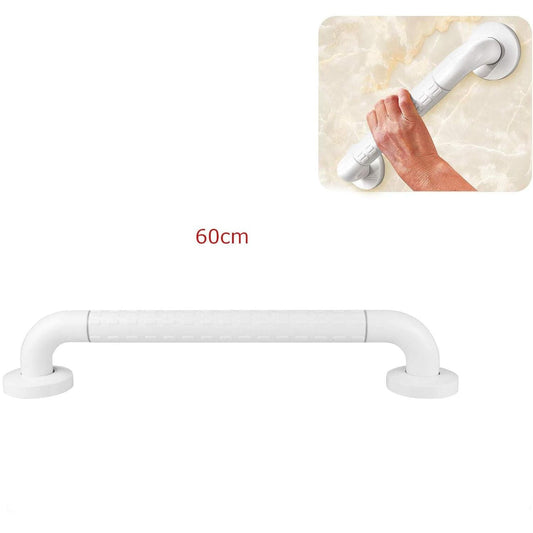
A grab bar — also known as a safety rail, support handle, or bathroom handrail — is a wall-mounted bar designed to provide a secure grip point in areas of the bathroom where balance and stability are most at risk. The most common locations are beside the bath, inside or at the entrance to the shower enclosure, and next to the WC. Grab bars are screw-fixed to the wall and engineered to bear significant load, providing a firm anchor point that a person can use to steady themselves, lower themselves, or pull themselves upright.
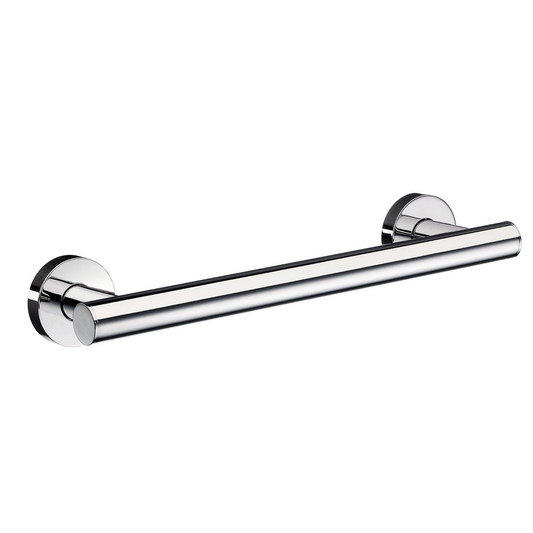
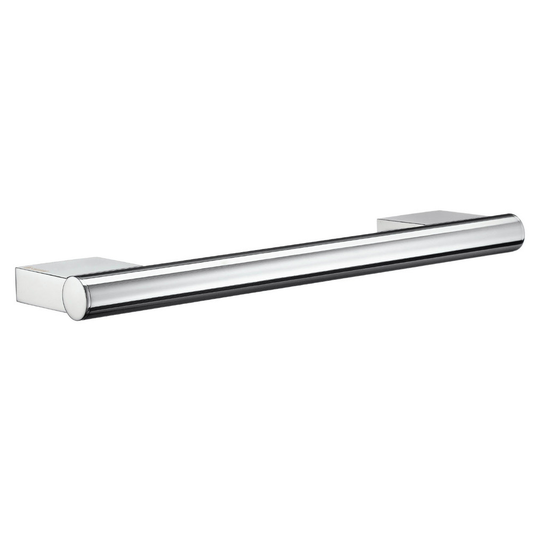
Modern grab bars are a far cry from the institutional chrome rails of hospital corridors. Today's designs are engineered to the same aesthetic standards as premium bathroom accessories — available in polished chrome, brushed nickel, matte black, brushed gold, and other finishes that complement contemporary and classic bathroom schemes. Many are part of coordinated accessory ranges, allowing them to be paired with matching towel rails, toilet roll holders, soap dispensers, and other bathroom hardware for a cohesive, designed look.
Why Install a Grab Bar?
The bathroom is statistically one of the most hazardous rooms in the home. Wet, smooth surfaces — bath enamel, shower trays, ceramic tiles — combined with the physical demands of stepping over a bath edge or lowering onto a WC create conditions where slips and falls are a genuine risk. Grab bars address this risk directly, providing a fixed point of support at the moments when balance is most challenged.
The case for grab bars extends well beyond older adults or those with reduced mobility. They are equally valuable for anyone recovering from surgery or injury, for pregnant women, for households with young children who need support in the bath, and for anyone who simply wants a more confident, secure bathroom experience. Increasingly, architects and interior designers are specifying grab bars as a standard feature in new bathroom designs — a recognition that safety and style are not mutually exclusive.
Types of Grab Bar
Straight Horizontal Grab Bars
The straight horizontal grab bar is the most common configuration. Mounted parallel to the floor at a comfortable grip height, it provides support for lateral movement — steadying yourself as you step into a shower, for example, or maintaining balance while seated on a WC. Straight bars are available in a range of lengths, typically from around 200 mm to 600 mm or more, with fixing centres to suit standard stud spacings and wall configurations.
Angled and Diagonal Grab Bars
Angled grab bars are mounted diagonally, typically at 45 degrees, and are particularly useful beside the bath or at the entrance to a shower where the movement involves both a lateral step and a vertical change in height. An angled bar allows the user to grip at different heights as they move, providing support through the full arc of the movement rather than at a single fixed point.
Vertical Grab Bars
Vertical grab bars are mounted perpendicular to the floor and are most commonly used beside the WC or at the entrance to a shower enclosure, where the primary movement is rising from or lowering to a seated position. A vertical bar allows the user to grip at whatever height is most comfortable and to use their arm strength to assist the movement.
Designer and Coordinated Grab Bars
Premium bathroom accessory brands — including Smedbo and others — produce grab bars as part of coordinated accessory ranges. These designer grab bars are engineered to the same quality standards as the rest of the range and are available in matching finishes, allowing them to be integrated seamlessly into a bathroom scheme without the visual disruption of a mismatched safety product. For bathrooms where aesthetics are a priority, a coordinated grab bar is the obvious choice.
How to Choose the Right Grab Bar
Choosing the right grab bar involves several considerations: location, orientation, length, finish, and load rating. Location determines orientation — a bar beside the bath will typically be horizontal or angled, while one beside the WC may be vertical or horizontal depending on the specific support needed. Length should be chosen to provide a comfortable grip across the full range of movement, with fixing centres that align with solid wall structure or allow for appropriate cavity fixings.
Finish should be chosen to complement the existing hardware in the bathroom — polished chrome is the most versatile and coordinates with the widest range of tap and accessory finishes; brushed nickel and brushed gold suit warmer, more contemporary schemes; matte black works well in bold, monochrome bathrooms. Where the grab bar is part of a coordinated accessory range, the finish choice is straightforward — match the range.
Load rating is a critical safety consideration. A grab bar must be capable of bearing the full weight of the person using it, applied suddenly and at an angle. Always check the manufacturer's load rating and ensure the bar is fixed into solid wall or appropriate structural fixings — never into plasterboard alone. If in doubt, consult a qualified installer.
Installing a Grab Bar: What You Need to Know
Correct installation is the single most important factor in grab bar safety. A grab bar that is not properly fixed to a structurally sound wall is worse than no grab bar at all, as it may give a false sense of security and fail at the moment it is most needed. Most grab bars are supplied with screws and wall plugs, but the suitability of these fixings depends entirely on the wall construction behind the fixing point.
For solid masonry walls — brick, block, or concrete — standard masonry fixings are appropriate. For timber-framed or plasterboard walls, fixings must be made into the timber studs or noggins, not into the plasterboard alone. For tiled walls, a tile drill bit is required to penetrate the tile before drilling into the substrate. If the wall construction is uncertain, or if the installation is for a person with significant mobility needs, professional installation by a qualified tradesperson is strongly recommended.
Caring for Your Grab Bar
Grab bars in bathroom environments are exposed to humidity, water, soap residue, and cleaning products on a daily basis. Quality grab bars — particularly those made from solid brass with a chrome or other plated finish — are designed to withstand these conditions, but correct care will extend their life and maintain their appearance. Wipe the bar regularly with a soft, damp cloth and dry thoroughly to prevent water spotting. Avoid abrasive cleaners, scouring pads, or harsh chemical cleaners, which can damage the finish. For polished chrome, a soft cloth and a small amount of chrome cleaner applied occasionally will maintain the mirror-bright surface. Check the fixings periodically to ensure they remain tight and secure — any movement or looseness should be investigated and rectified immediately.
Frequently Asked Questions About Grab Bars
Where should a grab bar be installed in a bathroom?
The most common locations are beside the bath (to assist with getting in and out), inside or at the entrance to the shower enclosure, and beside the WC (to assist with sitting and rising). The optimal position depends on the specific movement being supported and the height and reach of the user. As a general guide, a horizontal bar beside the bath is typically positioned at a height that allows a comfortable grip when standing beside the bath and stepping over the edge.
How much weight can a grab bar support?
The load capacity of a grab bar depends on both the bar itself and the quality of its installation. Quality grab bars from reputable manufacturers are engineered to bear significant loads — typically well in excess of the weight of an adult — but this capacity is only realised when the bar is correctly fixed into solid wall structure. Always check the manufacturer's load rating and ensure installation is into solid wall or appropriate structural fixings.
Can a grab bar be installed on a tiled wall?
Yes — grab bars can be installed on tiled walls, provided the tiles are fixed to a solid substrate and the fixings penetrate through the tile into the structural wall behind. A tile drill bit is required to drill through the tile without cracking it. If the wall behind the tiles is plasterboard rather than solid masonry or timber framing, fixings must be made into the studs or noggins, not into the plasterboard alone.
What is the difference between a grab bar and a towel rail?
A grab bar is specifically engineered to bear the full weight of a person and is fixed to the wall with structural fixings designed for load-bearing use. A towel rail is designed to hold towels and is not engineered or fixed for load-bearing safety use. Using a towel rail as a grab bar is dangerous — it may pull away from the wall under load. If you need safety support in the bathroom, always use a purpose-made grab bar.
Are grab bars only for elderly people?
No. While grab bars are particularly valuable for older adults and those with reduced mobility, they are beneficial for anyone who wants a safer, more confident bathroom experience. They are widely used by people recovering from surgery or injury, by pregnant women, in family bathrooms with young children, and increasingly as a standard feature in new bathroom designs regardless of the occupants' age or mobility.
Do grab bars have to look clinical or institutional?
Not at all. Modern grab bars from premium bathroom accessory brands are designed to the same aesthetic standards as the rest of their ranges — available in polished chrome, brushed nickel, matte black, brushed gold, and other finishes, with clean, contemporary profiles that complement rather than interrupt a bathroom scheme. Many are part of coordinated ranges that include matching towel rails, toilet roll holders, and soap dispensers, making it straightforward to integrate a grab bar into a designed bathroom without any visual compromise.
How do I clean a polished chrome grab bar?
Wipe with a soft, damp cloth and dry thoroughly after each clean to prevent water spotting. Avoid abrasive cleaners, scouring pads, or harsh chemical products, which can damage the chrome finish. For a deeper clean, a small amount of chrome cleaner applied with a soft cloth will restore the mirror-bright surface. Never use bleach or acidic cleaners on chrome-plated finishes.