Bathroom Hooks: A Complete Guide to Towel Hooks, Wall Hooks, and Door Hooks
The bathroom hook is one of the most underrated accessories in the home. Small in footprint, significant in impact — a well-placed hook keeps towels off the floor, robes within reach, and surfaces clear of the clutter that accumulates when everyday essentials have nowhere to go. This guide covers everything you need to know about choosing, installing, and caring for bathroom hooks, whether you’re outfitting a compact cloakroom, a family bathroom, or a rental property where drilling is not an option.
What Are Bathroom Hooks?
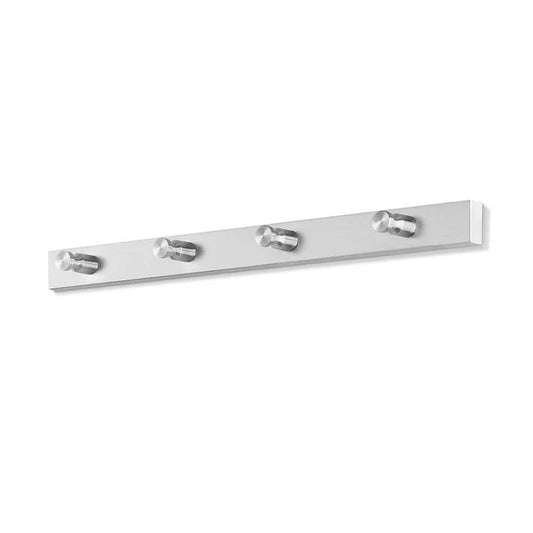
Bathroom hooks are wall-mounted, door-mounted, or surface-mounted accessories designed to hold towels, bathrobes, flannels, bags, and other everyday items. They range from a single peg on a wall rose to multi-hook racks that span the back of a door, and from permanent screw-fixed installations to self-adhesive designs that go up in seconds without a drill. The best bathroom hooks combine genuine load-bearing performance with a finish and profile that complement the wider bathroom scheme — rather than interrupting it.
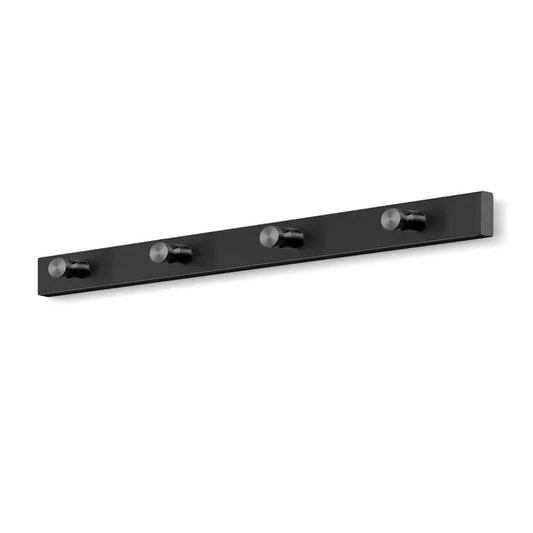
Modern bathroom hooks are available in a wide range of materials and finishes, including polished chrome, brushed stainless steel, mirror-polished stainless steel, matte black powder-coated steel, brushed gold, and white. Many are part of coordinated bathroom accessory ranges, allowing them to be paired with matching towel rails, toilet roll holders, soap dispensers, and other hardware for a cohesive, designed look.
Types of Bathroom Hook
Wall-Mounted Towel Hooks
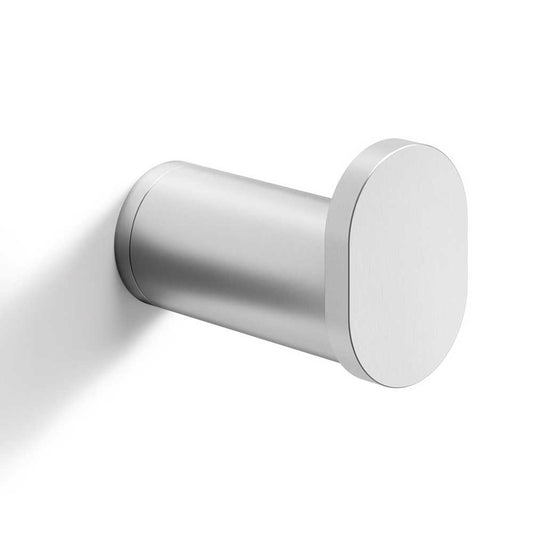
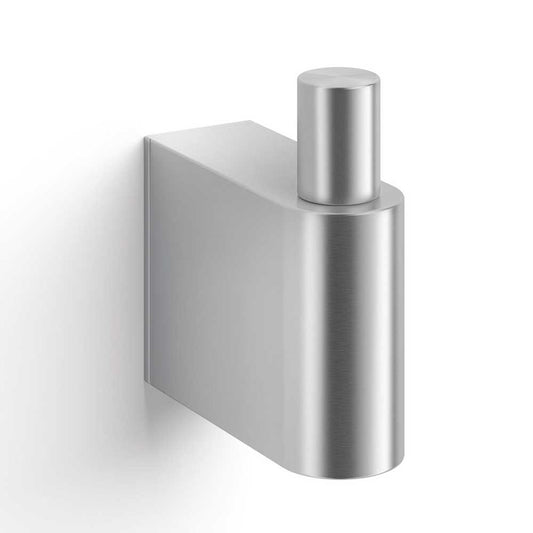
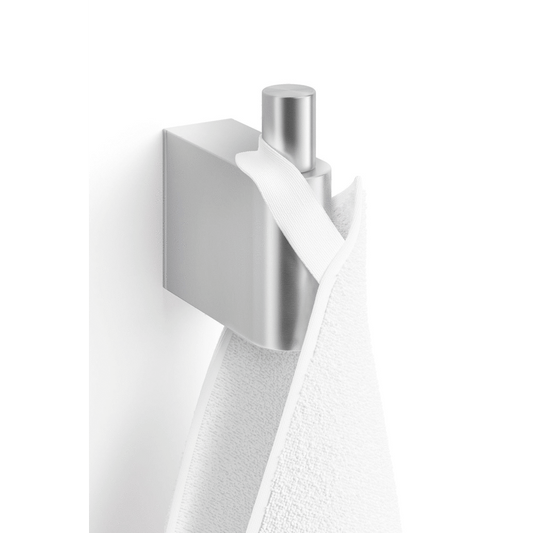
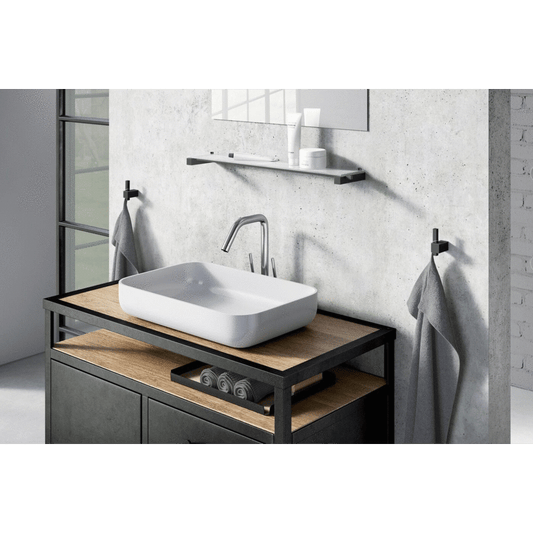
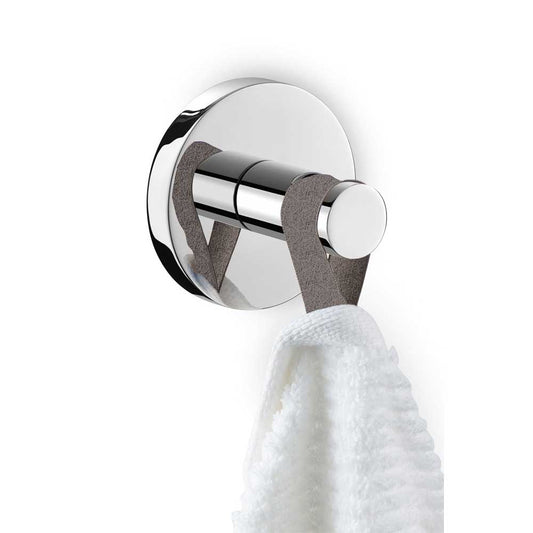
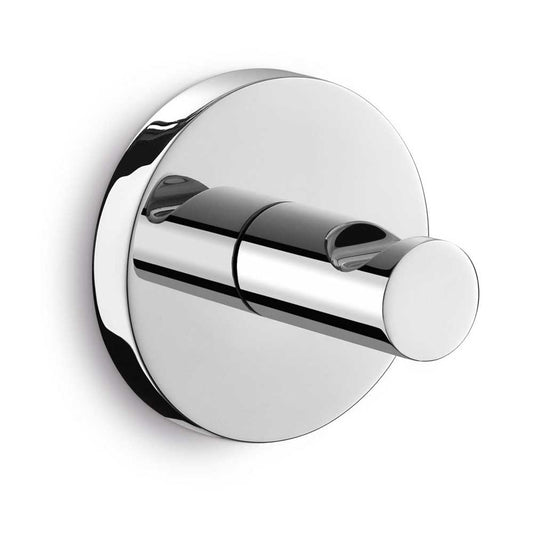
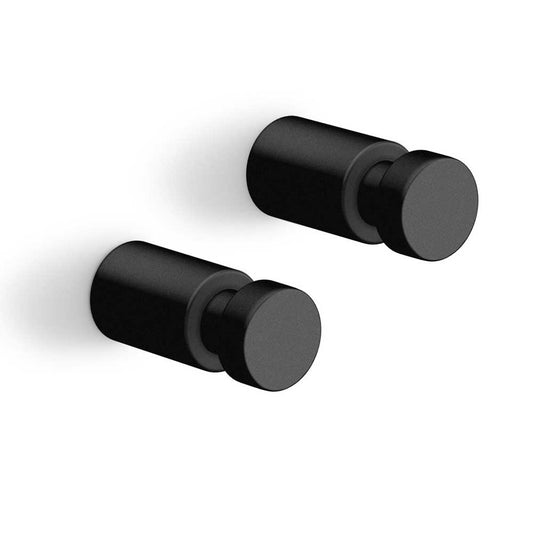
Wall-mounted towel hooks are the most common type and the most versatile. Fixed directly to the wall using screws or adhesive, they can be positioned at exactly the right height and location for the user — beside the basin, next to the shower, or at the entrance to the bathroom. Single hooks are the most compact option; double hooks offer additional capacity for a second towel or a robe alongside a hand towel. Many wall-mounted hooks are designed with a slightly upturned or tilted tip to keep towels and robes securely in place rather than sliding off.
Self-Adhesive Bathroom Hooks
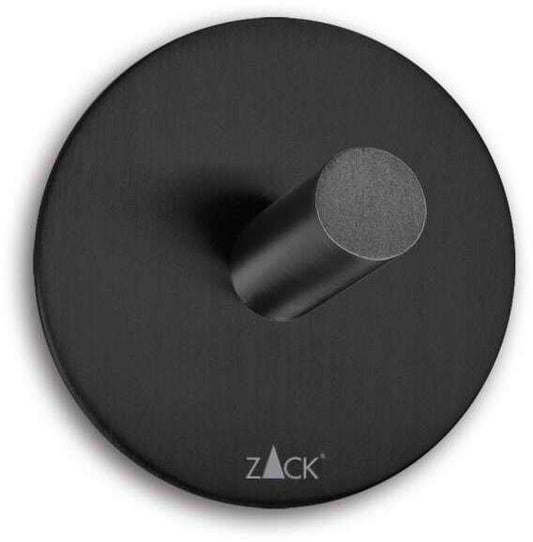
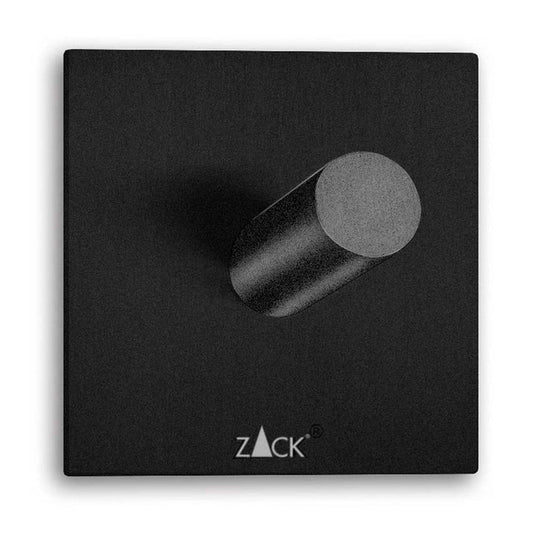
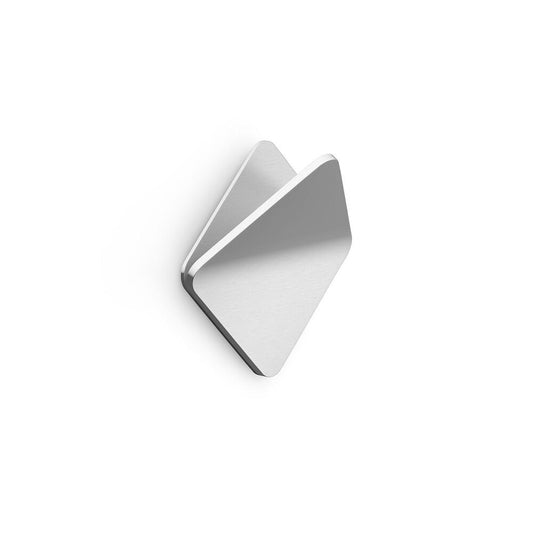
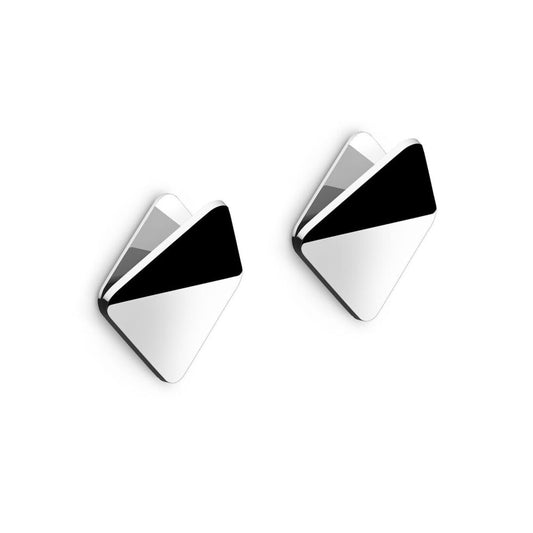
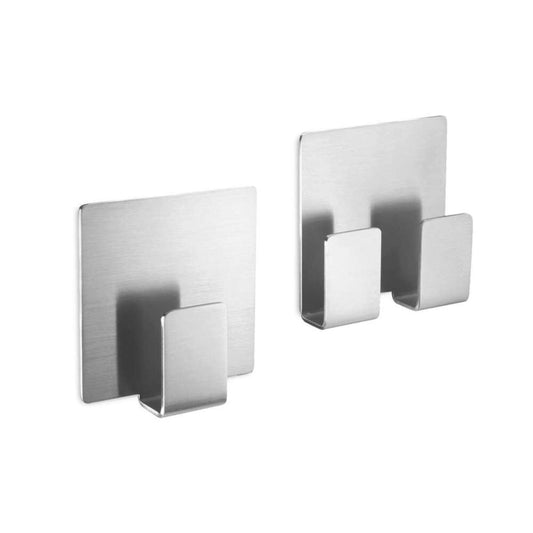
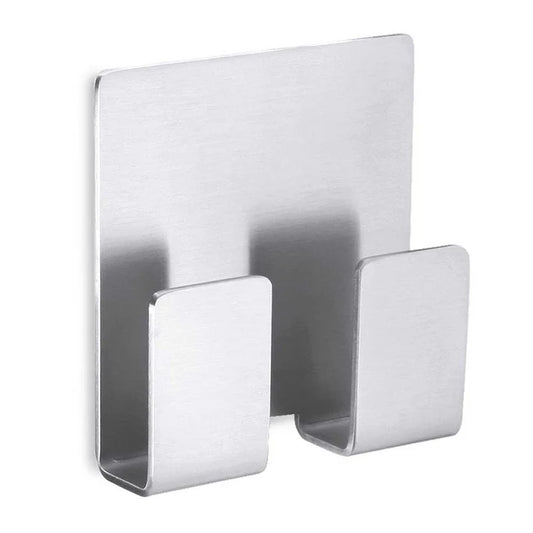
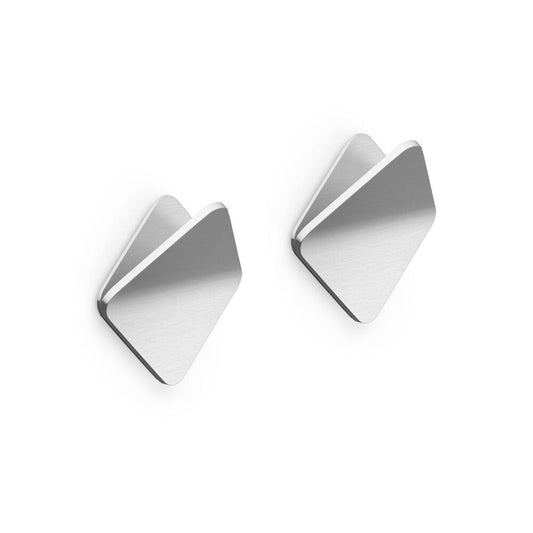
Self-adhesive bathroom hooks use a foam or gel adhesive pad to bond directly to smooth wall surfaces — tiles, glass, painted walls, or lacquered panels — without any drilling or fixings. They are the ideal solution for renters, for bathrooms with expensive tiles that you’d rather not drill through, or for anyone who wants a quick, damage-free installation. Quality self-adhesive hooks from brands such as Zack use high-grade adhesive pads that bond firmly and remove cleanly without leaving residue or marking the surface. They are best suited to standard towels and hand cloths rather than heavy robes or multiple stacked items.
Over-Door Hooks and Door Hook Racks
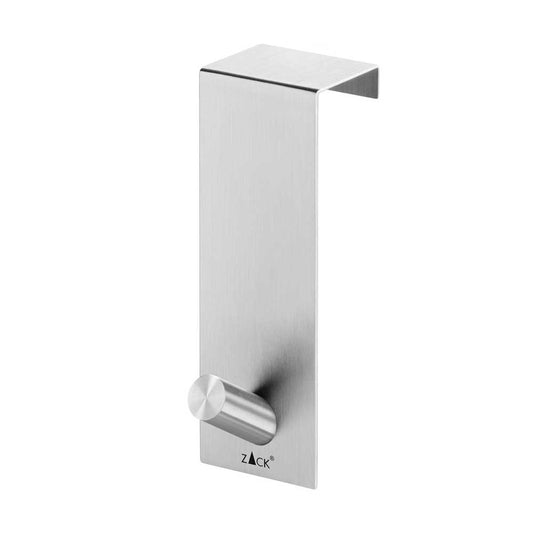
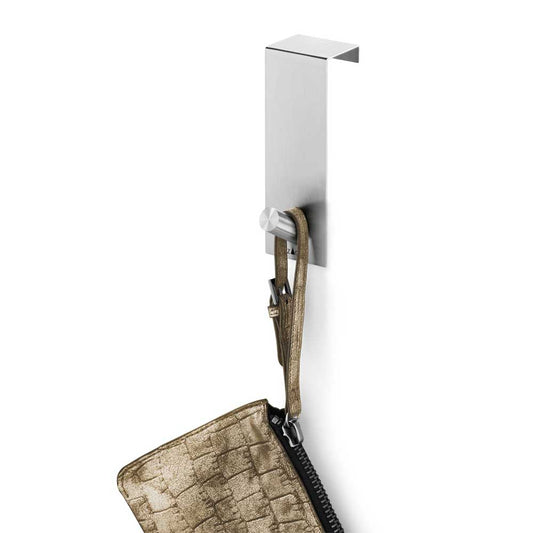
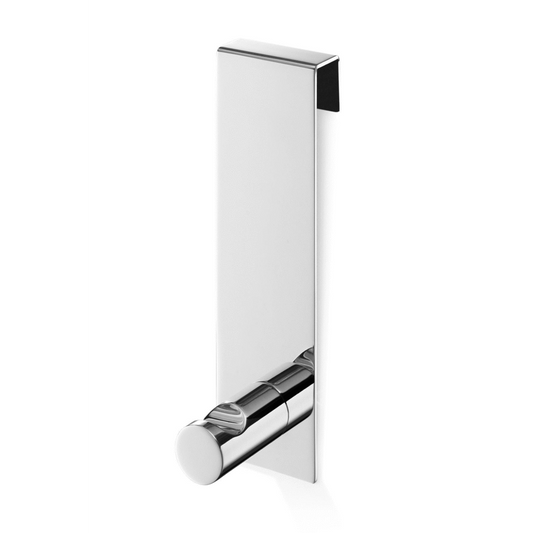
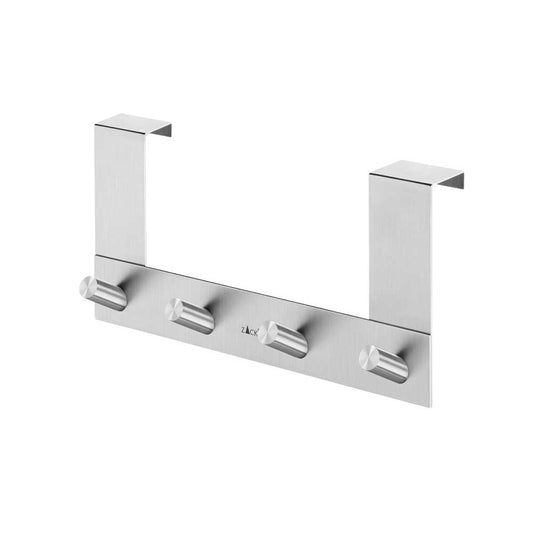
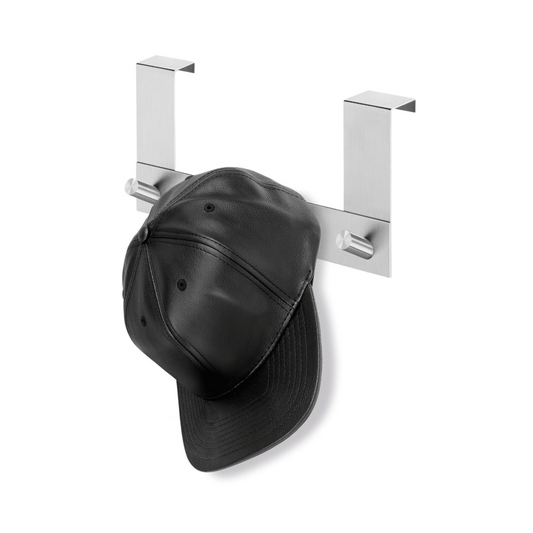
Over-door hooks hang over the top edge of a door, requiring no fixings, no drilling, and no adhesive. They are the most flexible option of all — completely portable, instantly repositionable, and entirely damage-free. A single over-door hook holds a robe or a towel; a door hook rack spans the full width of the door and provides multiple hanging points for towels, bags, and accessories. Most over-door hooks include a foam or rubber coating on the inner surface to protect the door edge from scratches. They are designed for non-rebated doors within a specific thickness range, so it’s worth checking compatibility before purchasing.
Shower Door Hooks
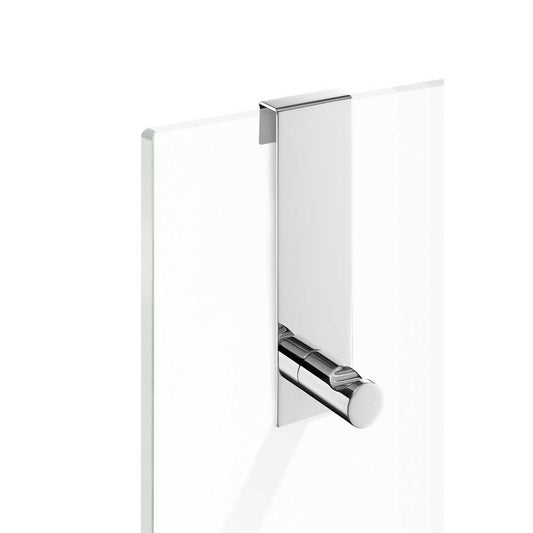
Shower door hooks are designed specifically to hang over the top edge of a frameless glass shower screen, providing a convenient hook point for a towel or robe immediately outside the shower. They typically include a soft plastic or rubber pad on the inner surface to protect the glass from scratching. No drilling or adhesive is required — the hook simply rests over the glass panel. They are designed for glass up to a specific thickness, so checking the product specification against your shower screen is important before purchasing.
Towel Clamps
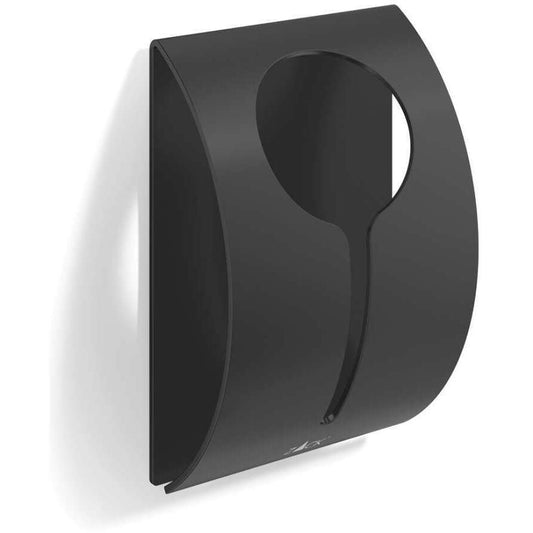
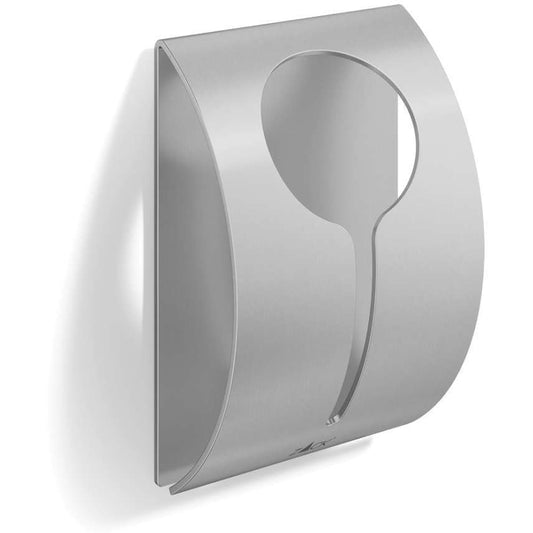
Towel clamps are a variation on the traditional hook, using a clamping mechanism rather than a peg or arm to hold a towel flat against the wall. They are particularly effective for hand towels and flannels, holding the fabric neatly in place without the towel slipping or bunching. Self-adhesive towel clamps offer the same no-drill installation as self-adhesive hooks, making them a practical choice for tiled surfaces.
How to Choose the Right Bathroom Hook
The first consideration is installation method. If you’re happy to drill into the wall and want the most secure, permanent result, a screw-fixed hook is the right choice. If you’d rather not drill — whether because you’re renting, because your tiles are expensive, or simply because you want a quicker installation — a self-adhesive hook or an over-door hook is the more practical option. Self-adhesive hooks are best for smooth, non-porous surfaces; over-door hooks work on any door within the specified thickness range.
The second consideration is load. A single hook beside the basin for a hand towel has very different requirements from a hook beside the shower that needs to hold a heavy bathrobe. Most bathroom hooks specify the items they are designed for — towels, robes, bags — and it’s worth matching the hook to the intended use rather than assuming all hooks are equivalent.
Finish should be chosen to complement the existing hardware in the bathroom. Polished chrome is the most versatile and coordinates with the widest range of tap and accessory finishes. Brushed stainless steel suits contemporary, understated schemes. Matte black works well in bold, monochrome bathrooms. Brushed gold adds warmth and pairs naturally with warm-toned hardware. Where the hook is part of a coordinated accessory range, the finish choice is straightforward — match the range.
Installing a Bathroom Hook
Screw-fixed hooks are typically supplied with screws and wall plugs. The installation process involves marking the fixing position, drilling pilot holes, inserting the wall plugs, and securing the hook with the supplied screws. For tiled walls, a tile drill bit is required to penetrate the tile without cracking it before drilling into the substrate behind. Always ensure fixings are made into solid wall or appropriate cavity fixings — never into plasterboard alone for a hook that will carry any significant load.
Self-adhesive hooks require a clean, dry, smooth surface for a secure bond. Clean the surface thoroughly with a degreasing agent, allow it to dry completely, then peel the backing from the adhesive pad and press the hook firmly against the surface for at least 30–60 seconds. Allow 24 hours before loading the hook with any items to ensure the adhesive has fully cured. For removal, pull the adhesive tab slowly downward at a low angle to release the bond cleanly without marking the surface.
Caring for Your Bathroom Hooks
Bathroom hooks in humid environments benefit from regular wiping with a soft, damp cloth and thorough drying to prevent water spotting. Avoid abrasive cleaners, scouring pads, or harsh chemical products, which can damage the finish — particularly on brushed and polished surfaces. For polished chrome and mirror-polished stainless steel, a microfibre cloth will maintain the reflective surface without scratching. For brushed finishes, always wipe in the direction of the grain to preserve the surface texture. Powder-coated black finishes should be wiped gently with a damp cloth and dried immediately to maintain the coating.
Frequently Asked Questions About Bathroom Hooks
What is the difference between a screw-fixed and a self-adhesive bathroom hook?
A screw-fixed hook is secured to the wall using screws and wall plugs, providing the most permanent and load-bearing installation. A self-adhesive hook uses an adhesive pad to bond to a smooth surface without drilling, offering a quicker, damage-free installation that is ideal for renters or tiled surfaces. Self-adhesive hooks are best suited to lighter loads such as hand towels and flannels; screw-fixed hooks are the better choice for heavier items such as bathrobes.
Can bathroom hooks be used in a shower or wet room?
Hooks made from 18/10 stainless steel or chrome-plated brass are suitable for the humid conditions of a bathroom environment, including wet rooms. However, most hooks are designed for use outside the direct shower stream rather than inside the shower enclosure. Shower door hooks are specifically designed to hang over a glass shower screen, providing a convenient hook point immediately outside the shower. Always check the product description for guidance on suitability for wet environments.
Will a self-adhesive hook damage my tiles?
Quality self-adhesive hooks from reputable brands use adhesive pads designed for residue-free removal from smooth surfaces. When removed correctly — by pulling the adhesive tab slowly downward at a low angle — they should not leave residue or damage the tile surface. Avoid pulling the hook directly away from the wall, which can stress the adhesive bond and potentially damage the surface. Always follow the manufacturer’s removal instructions.
What door thickness do over-door hooks fit?
Over-door hooks are designed for doors within a specific thickness range — typically 35–41 mm for standard interior doors in UK homes. They are also designed for non-rebated doors, meaning the door edge must be flat rather than stepped. Always check the product specification for the compatible door thickness and profile before purchasing. If your door falls outside the standard range, alternative hook designs may be available.
Can bathroom hooks hold a bathrobe?
Most screw-fixed wall hooks with a solid peg or arm design are suitable for holding a standard bathrobe. Self-adhesive hooks are generally better suited to lighter items such as hand towels and flannels. If you need to hang a heavy robe, a screw-fixed hook with a long, solid peg is the most reliable choice. Always check the product description for guidance on the items the hook is designed to hold.
Do bathroom hooks come with a warranty?
Warranty terms vary by brand and product. Many premium bathroom accessory brands offer substantial warranties — Smedbo, for example, provides a 10-year consumer warranty on their products. Always check the product description for warranty information before purchasing.
How do I clean a brushed stainless steel bathroom hook?
Wipe with a soft, damp cloth in the direction of the grain and dry thoroughly after each clean to prevent water spotting. Avoid abrasive cleaners, scouring pads, or harsh chemical products, which can scratch the brushed surface. For a deeper clean, a small amount of stainless steel cleaner applied with a soft cloth in the direction of the grain will restore the surface. Never use bleach or acidic cleaners on stainless steel finishes.
Are bathroom hooks suitable for rental properties?
Yes — self-adhesive hooks and over-door hooks are particularly well-suited to rental properties, as they require no drilling and leave no permanent marks. Self-adhesive hooks bond securely to smooth surfaces and remove cleanly when the tenancy ends. Over-door hooks require no fixings at all and can be taken away at the end of a tenancy. For landlords fitting out a rental property, screw-fixed hooks in a neutral finish such as brushed stainless steel or polished chrome are a durable, low-maintenance choice that suits a wide range of bathroom schemes.