The Complete Guide to Body Brushes
Body brushing is one of the oldest and most effective skincare practices in existence — and one that has seen a significant resurgence as people look for natural, product-free ways to improve the health and appearance of their skin. Whether you practise dry brushing before a shower, use a wet brush in the bath, or incorporate a massage glove or loofah mitt into your daily routine, the principle is the same: mechanical exfoliation and stimulation of the skin's surface delivers benefits that no topical product can fully replicate. This guide covers everything you need to know about body brushes — the different types available, the materials used, how to choose the right brush for your skin type, and how to use and care for your tools properly.
What Does a Body Brush Do?
A body brush works by physically removing dead skin cells from the surface of the skin through friction. This process — known as mechanical exfoliation — unclogs pores, smooths the skin's texture, and stimulates blood circulation in the underlying tissue. Regular body brushing can improve the skin's ability to absorb and retain moisture, making moisturisers and body oils significantly more effective when applied after brushing. Many practitioners also report that dry brushing supports lymphatic drainage — the movement of lymph fluid through the body's lymphatic system — which plays a role in immune function and the removal of waste products from the body's tissues.
Over time, consistent body brushing can visibly improve skin tone and texture, reduce the appearance of dry patches and keratosis pilaris (the rough, bumpy skin sometimes called 'chicken skin'), and contribute to a healthier, more radiant complexion across the body. It is one of the most cost-effective and sustainable skincare practices available — requiring nothing more than a good brush and a few minutes of daily attention.
Types of Body Brush and Bathing Tool
Dry Body Brushes
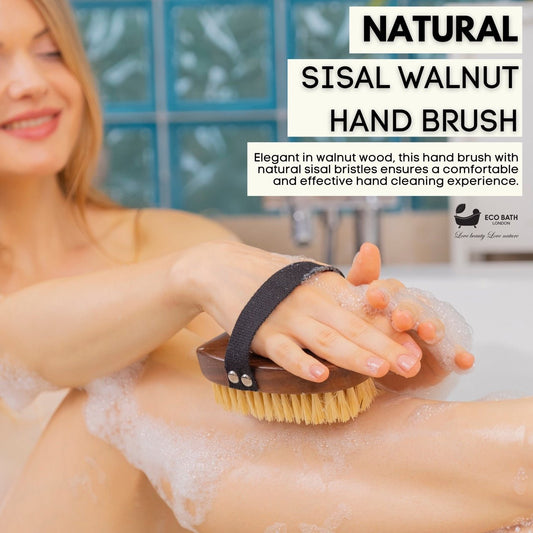
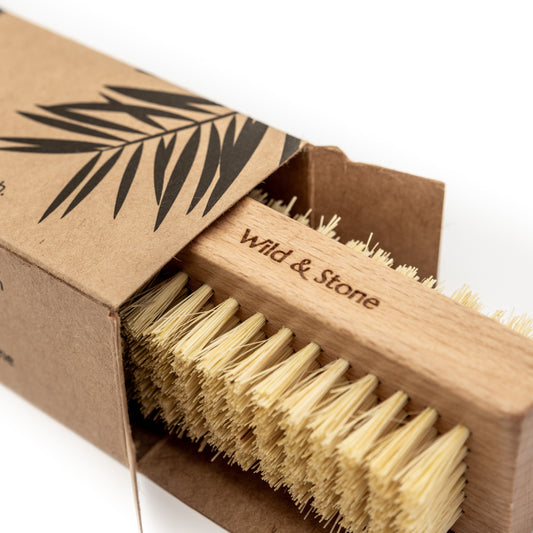
Dry body brushes are used on dry skin before bathing — hence the name. They typically feature firm natural bristles, most commonly sisal, which provide the friction needed for effective exfoliation without being so harsh as to damage the skin. Dry brushing is performed with long, sweeping strokes directed towards the heart, starting at the feet and working upward. The process takes around five minutes and is followed immediately by a shower or bath to wash away the loosened dead skin cells. Dry body brushes are available with long handles for reaching the back, or as hand-held designs for more targeted use.
Wet Body Brushes
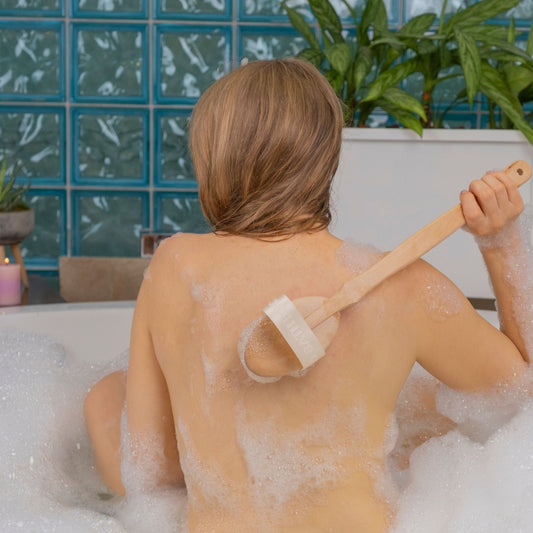
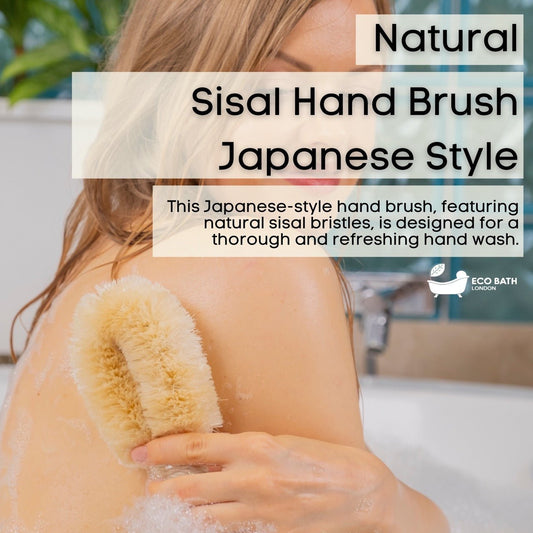
Wet body brushes are designed for use in the shower or bath, typically with a body wash or soap. They provide a gentler form of exfoliation than dry brushing and are a good choice for those with more sensitive skin or those who prefer to incorporate brushing into their existing shower routine rather than adding a separate step. Natural fibre wet brushes — in sisal, hemp, or linen — lather well with soap and provide effective cleansing alongside their exfoliating action.
Cellulite Brushes and Massage Tools
Cellulite brushes and massage tools are designed for more targeted use on areas prone to cellulite — typically the thighs, buttocks, and upper arms. They use a combination of firm bristles and a compact, hand-held form to apply concentrated pressure and friction to the skin's surface, stimulating circulation and lymphatic drainage in the targeted area. Used consistently as part of a broader body care routine, they can contribute to a smoother, more toned appearance over time. They are not a substitute for exercise or a healthy diet, but they are a useful and accessible complement to both.
Massage Gloves and Straps
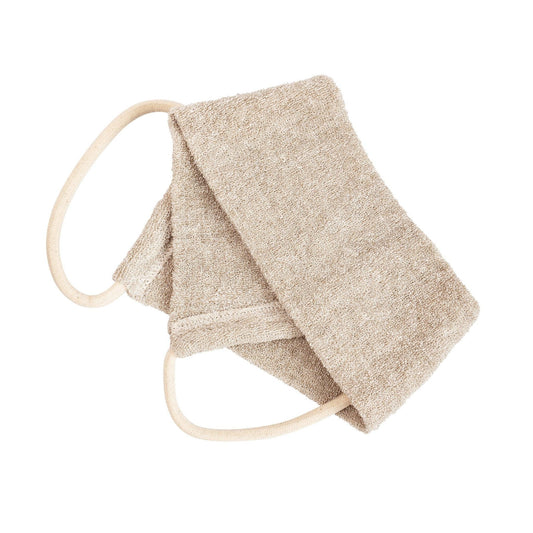
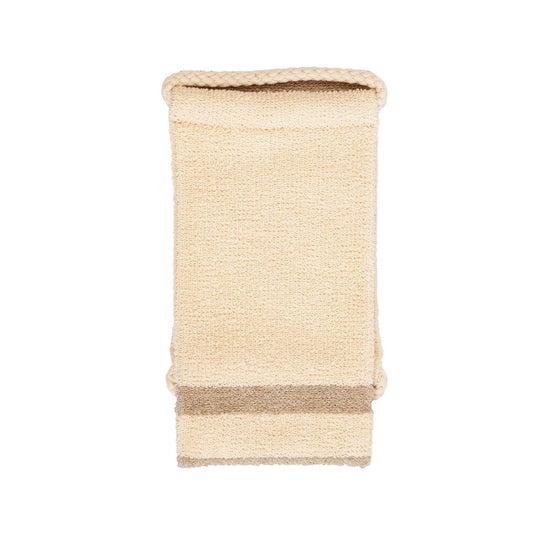
Massage gloves and straps made from natural fibres — linen, hemp, cotton — offer a different approach to body exfoliation. Worn on the hand or used as a two-handled strap across the back, they provide full-body coverage with a more even, controlled pressure than a brush. They are particularly effective for the back and shoulders, which are difficult to reach with a hand-held brush, and their natural fibre construction means they are gentle enough for regular use on most skin types.
Loofah Mitts and Bath Accessories
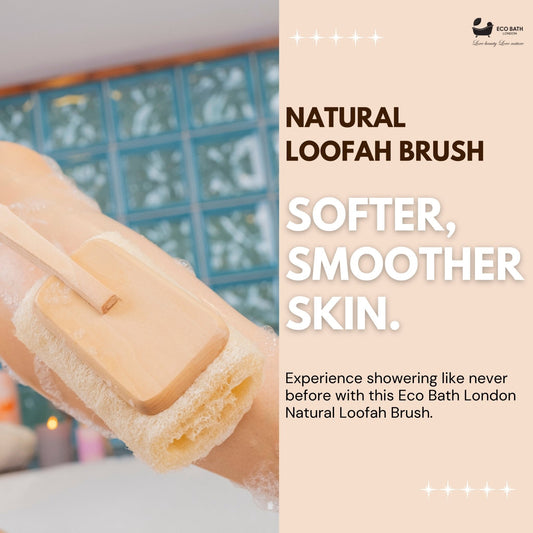
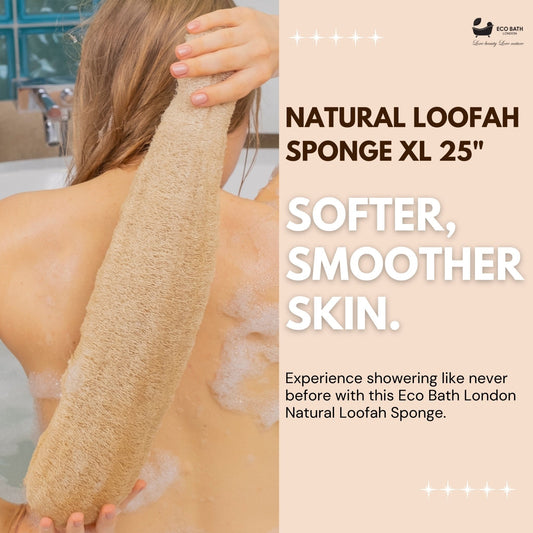
Loofah mitts — made from the dried fibrous interior of the loofah plant — are a natural, biodegradable alternative to synthetic bath sponges and exfoliating gloves. They provide effective exfoliation in the shower or bath, lather well with soap or body wash, and are fully compostable at the end of their life. A loofah mitt is a simple, sustainable addition to any bathing routine.
Hair Brushes and Baby Brushes
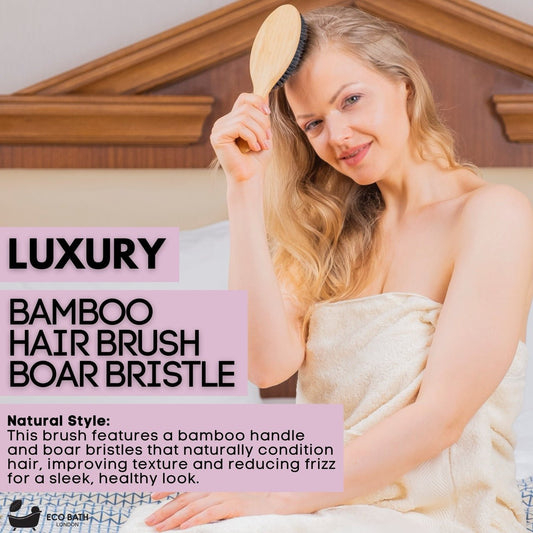
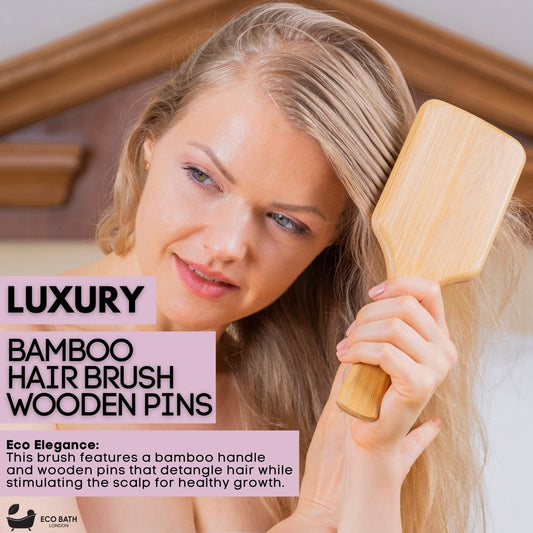
Natural fibre hair brushes — in boar bristle or bamboo with wooden pins — bring the same philosophy of natural materials and considered construction to hair care. Boar bristle brushes distribute the scalp's natural oils along the hair shaft, improving shine and reducing the need for conditioning products. Bamboo paddle brushes with wooden pins are gentle on the scalp and effective at detangling without the static that synthetic bristles can generate. For newborns and young babies, an ultra-soft goat-hair brush is the gentlest option for cleansing the scalp and stimulating healthy hair growth.
Choosing the Right Body Brush for Your Skin Type
The right body brush depends on your skin type, your sensitivity, and what you want to achieve. Consider the following:
- Normal to oily skin: A firm sisal dry brush used before showering will provide the most effective exfoliation and the greatest stimulation of circulation. Start with gentle pressure and increase as your skin adapts.
- Dry or sensitive skin: Begin with a softer natural fibre brush or a wet brush used with a gentle body wash. Avoid dry brushing on broken, irritated, or sunburned skin.
- Cellulite-prone areas: A dedicated cellulite hand brush used with firm, circular pressure on the affected areas, followed by a body oil, is the most targeted approach.
- Back and hard-to-reach areas: A long-handled body brush or a two-handled massage strap allows effective exfoliation of the back and shoulders without straining.
- Babies and newborns: Use only an ultra-soft brush specifically designed for infant skin — never an adult body brush, regardless of how soft it appears.
How to Dry Brush: A Step-by-Step Guide
Dry brushing is most effective when performed consistently and with the correct technique. Begin on dry skin before bathing. Starting at the soles of the feet, use long, firm strokes directed upward toward the heart. Work up the legs, over the thighs and buttocks, across the abdomen (using circular, clockwise strokes), and up the arms from the hands toward the shoulders. Use lighter pressure on the chest and avoid the face entirely. The whole process should take around five minutes. Follow immediately with a shower to wash away loosened skin cells, then apply a body oil or moisturiser to damp skin to lock in hydration. For best results, dry brush three to five times per week.
Caring for Your Body Brush
Natural fibre body brushes require a little care to remain in good condition. After each use, tap the brush gently against a hard surface to dislodge any loose skin cells from the bristles. Once a week, wash the brush with warm water and a small amount of mild soap or shampoo, rinse thoroughly, and allow to dry bristle-side down in a well-ventilated area — never bristle-side up, as this allows water to pool at the base of the bristles and can cause the wooden handle to swell or crack over time. Keep dry brushes away from the shower and bath to preserve the bristles and the handle. With proper care, a quality natural body brush will last for a year or more.
Frequently Asked Questions
What is dry brushing and does it actually work?
Dry brushing is the practice of brushing the skin with a firm natural-bristle brush before bathing. It works by mechanically removing dead skin cells from the surface of the skin, stimulating blood circulation, and — according to many practitioners — supporting lymphatic drainage. The exfoliating and circulation benefits are well established; the lymphatic drainage claims are more anecdotal but widely reported. Most people who dry brush consistently notice a visible improvement in skin texture and tone within a few weeks.
How often should I use a body brush?
For dry brushing, three to five times per week is generally recommended for most skin types. Daily dry brushing is possible for those with resilient skin, but may be too stimulating for sensitive skin. Wet brushing in the shower can be done daily as part of a regular cleansing routine. Listen to your skin — if it feels irritated or overly sensitive after brushing, reduce the frequency or switch to a softer brush.
What is sisal and why is it used in body brushes?
Sisal is a natural plant fibre derived from the agave plant, native to Mexico and widely cultivated across Africa and Brazil. It is one of the strongest natural fibres available, making it ideal for body brush bristles that need to provide firm, effective exfoliation without breaking down quickly. Sisal is also biodegradable and sustainably sourced, making it a natural fit for eco-conscious body care products. Its texture is firm enough to exfoliate effectively but not so harsh as to damage healthy skin when used with appropriate pressure.
Can I use a body brush on my face?
No. Body brushes — including those with relatively soft bristles — are too firm for the delicate skin of the face. Facial skin requires dedicated facial exfoliation tools or products designed specifically for that purpose. Using a body brush on the face risks irritation, broken capillaries, and micro-tears in the skin.
Are natural body brushes better than synthetic ones?
Natural fibre body brushes — in sisal, boar bristle, hemp, or linen — are generally considered superior to synthetic alternatives for several reasons. Natural fibres have a more varied, irregular texture at the microscopic level, which provides more effective exfoliation than the uniform surface of synthetic bristles. They are also biodegradable, sustainably sourced, and free from the microplastic shedding associated with synthetic fibre products. For those committed to a natural, eco-conscious approach to body care, a natural fibre brush is the clear choice.
How long does a body brush last?
A quality natural body brush, properly cared for, will typically last between six months and two years depending on frequency of use and how well it is maintained. The key factors are drying the brush thoroughly after use, cleaning it regularly, and keeping dry brushes away from moisture. When the bristles begin to splay, soften significantly, or shed, it is time to replace the brush.